The Role of Dental Crowns in Restorative Dentistry
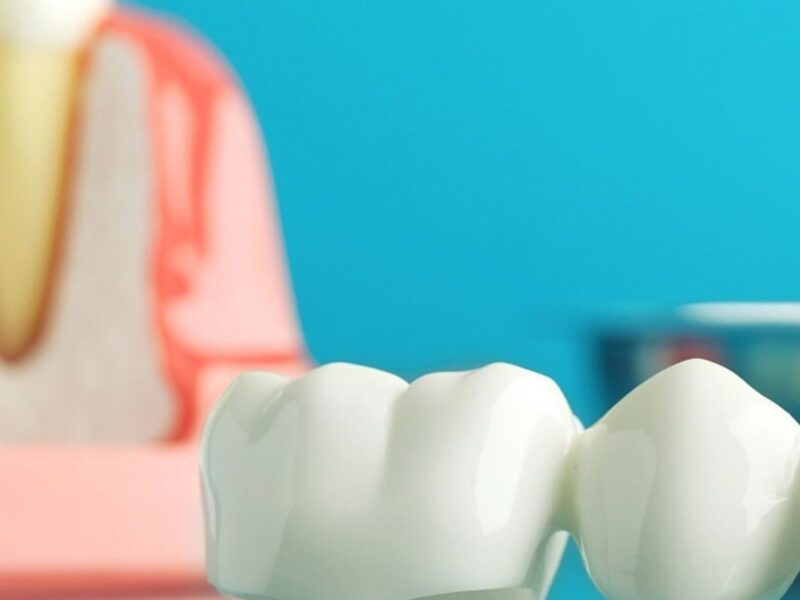
Restorative dentistry lives in the space between preservation and replacement. Most patients do not arrive asking for a crown because they are fascinated by prosthodontics. They come because a tooth cracked on a crust of bread, an old filling failed, a root canal left a back tooth feeling vulnerable, or a front tooth no longer looks or functions the way it should. In that space, Dental Crowns have a very specific role. They are not a cosmetic shortcut and they are not a universal fix. At their best, they protect damaged teeth, restore shape and strength, improve chewing, and help keep a natural tooth in service for many years.
A crown is often described as a cap that covers a tooth. That definition is technically correct, but it does not say enough. A well-made crown is a structural restoration that takes over when too much original tooth has been lost or weakened for a filling to do the job reliably. It has to fit the bite, respect the gumline, seal against bacteria, and distribute force in a way the remaining tooth can tolerate. If any of those details are off, even an attractive crown can create trouble.
Why crowns matter beyond appearance
Patients often associate crowns with visible teeth because the result can be dramatic, especially when a discolored or fractured front tooth is restored. Yet crowns play an even larger role in the back of the mouth, where aesthetics matter less than force management. Molars absorb heavy chewing pressure. Premolars often carry a mix of compressive and shearing forces. A tooth that has lost a large amount of structure in these areas can behave like a hollowed-out shell. It may survive for a while, then split without much warning.
That is one reason crowns come up so often after root canal therapy. Once a tooth has undergone endodontic treatment, it may not be “dead” in the casual sense patients imagine, but it is often structurally compromised. The problem is not only moisture loss, which is frequently overstated in popular discussion. More important is the amount of tooth already removed by decay, previous fillings, and access to the canal system. If the remaining walls are thin, a full-coverage restoration often shifts the odds in favor of long-term survival.
Crowns Dental Crowns also matter because they help dentists stay conservative in a broader sense. That may sound contradictory, since preparing a tooth for a crown requires removing healthy enamel and dentin around the perimeter. But the real comparison is not crown versus untouched tooth. It is crown versus extraction, recurrent fracture, chronic leakage, or repeated patchwork fillings that gradually erode what little sound structure remains. In many cases, a crown is the treatment that preserves the tooth rather than sacrifices it.
The clinical situations that call for a crown
A crown is not the first answer to every damaged tooth. Good restorative dentistry starts with the least invasive option that can predictably work. Small cavities need fillings, not crowns. Minor chips may need bonding. Wear can sometimes be managed with additive techniques that preserve enamel. The judgment lies in identifying the point where a more limited restoration is unlikely to last.
Common situations where crowns become appropriate include:
- a tooth with a large existing filling and very little natural structure left
- a cracked tooth with symptoms on biting
- a root canal treated molar or premolar that needs reinforcement
- severe wear that has flattened or weakened the tooth
- a misshapen or discolored tooth when other cosmetic options cannot deliver a durable result
Even within these categories, the answer is rarely automatic. A heavily filled upper molar in a patient who grinds at night presents a different risk profile from the same tooth in someone with a light bite. A front tooth with a vertical fracture is a very different problem from one with internal discoloration after trauma. Experience matters because treatment planning lives in these distinctions.
Tooth structure is the real currency
When dentists evaluate whether a crown is needed, the most important question is usually how much trustworthy tooth remains. Not all remaining structure is equally valuable. Enamel simpledentalca.com Dental Crowns is ideal for bonding. Thick axial walls are useful. Deep subgingival margins are more problematic. A crown on a tooth with solid ferrule, meaning a band of sound tooth structure above the gum and around the circumference, is usually more favorable than a crown on a severely broken-down tooth with almost nothing to grip.
This is where patients sometimes get mixed messages. One dentist may recommend a crown on a tooth another dentist thinks can be filled. That does not always mean one of them is careless. It may reflect different judgments about risk, remaining structure, bite forces, patient age, habits, and tolerance for possible retreatment. A conservative clinician may try a bonded onlay or large composite first if the margins are accessible and the crack pattern seems limited. Another may favor a crown because the cost of failure, especially if the tooth is strategically important, could be higher later.
The honest answer is that restorative decisions are part science, part biomechanics, and part risk management.
Materials change the conversation
The word “crown” covers several material categories, and the choice matters. It affects strength, appearance, tooth preparation, wear on opposing teeth, and how the restoration is cemented. Material selection is not just about what looks nicest on a shade guide.
- all-ceramic crowns are often chosen for excellent aesthetics, especially in visible areas
- zirconia crowns offer high strength and are common for posterior teeth and high-load cases
- porcelain fused to metal crowns can still perform well, though they are less favored than they once were for some aesthetic situations
- full metal crowns remain extremely durable, particularly for molars, though many patients prefer tooth-colored options
There is no perfect material. Zirconia is tough and useful, but not every zirconia crown is equally translucent or equally kind to the opposing tooth if poorly polished. Layered ceramics can look beautiful on front teeth, but they may chip if used in the wrong design or under excessive load. Porcelain fused to metal crowns have a long track record, yet they sometimes show dark margins over time or appear less lifelike in the incisal third.
A practical example helps. For a lower first molar in a patient with strong chewing muscles and limited mouth opening, monolithic zirconia often makes sense because it balances strength and clinical practicality. For a traumatized upper central incisor in a patient with a high smile line, a carefully designed all-ceramic crown may be the better choice because optical properties matter more. The restoration should fit the tooth’s job.
The difference between a crown and a bigger filling
Patients often ask why a dentist cannot “just build it up” instead of placing a crown. Sometimes the answer is yes, and that is the right choice. Other times, the issue is force containment. A filling replaces missing tooth structure inside the tooth. A crown wraps the external surfaces and can splint weakened cusps together. That is a crucial distinction.
Think of a molar with a deep MOD filling, meaning it extends through the mesial, occlusal, and distal surfaces. If both marginal ridges are gone and the cusps have been undermined, the tooth may flex under load. Bonding can help, but there is a threshold beyond which a direct restoration becomes less predictable. If a cusp fractures after a large filling, the next repair is often larger, deeper, and more expensive. This cycle is common in general practice.
That said, restorative dentistry has changed. Adhesive techniques are better than they were twenty years ago. Onlays, overlays, and endocrowns can preserve more tooth structure than traditional full crowns in selected cases. The role of Dental Crowns remains central, but modern practice often includes a conversation about partial coverage alternatives when they are suitable.
The preparation phase is more exacting than patients realize
Many people think the difficult part is “making the crown.” In reality, much of the challenge is in preparing the tooth properly. The dentist must remove enough structure to create space for the restorative material, while preserving enough tooth to support the crown and avoid pulpal irritation or fracture. Margins have to be smooth and readable. Reduction must follow the anatomy of the tooth and leave room for material where stress will concentrate.
Temporary crowns also deserve more respect than they get. A poorly fitting temporary can lead to gum inflammation, tooth movement, sensitivity, or bite disturbance before the final crown is even delivered. Temporary restorations are not cosmetic placeholders. They are part of the treatment.
Digital workflows have improved many aspects of crown fabrication. Intraoral scanners can capture margins without conventional impression material, which many patients appreciate. CAD/CAM systems can streamline communication with the lab and improve consistency. Same-day crowns are possible in some practices. Still, speed is not the same as quality. A same-day crown can be excellent in the right hands and with the right case selection. It can also be mediocre if the tooth preparation, occlusion, or shade demands exceed what the workflow can comfortably handle in one visit.
Fit, bite, and biology
A crown succeeds when mechanics and biology cooperate. Dentists talk a lot about marginal fit, and rightly so. If the edge of the crown does not seal well, bacteria can colonize the area, recurrent decay can develop, and the cement layer can break down over time. But fit is only part of the story.
The crown has to emerge from the gum in a way that allows cleaning and respects the surrounding tissues. Bulky contours trap plaque. Margins placed too deep can irritate the gingiva and make impressions or scans less accurate. The bite must be checked in static and functional movements. A crown that looks perfect and feels “a little high” to the patient is not a minor inconvenience. Even a small occlusal discrepancy can create soreness, sensitivity, jaw tension, or fracture risk.
In practice, many post-cementation complaints trace back to occlusion or soft tissue adaptation rather than the crown material itself. A patient may report that the crown feels odd or tender when chewing. Sometimes the fix is a very small adjustment. Other times, the issue is a hidden crack in the underlying tooth, a pulpal response to preparation trauma, or a contour problem that lets food pack between teeth. Crowns solve many problems, but they can also reveal problems that were already developing.
Crowns as part of bigger restorative plans
Dental Crowns rarely exist in isolation for long. They often become anchors in broader treatment plans. A crown may support a bridge, cover a dental implant abutment, correct a collapsed tooth after severe wear, or help reestablish vertical dimension in a full-mouth rehabilitation. In these settings, the crown is not merely restoring one tooth. It is participating in a system.
This is where sequencing becomes important. If a patient needs periodontal treatment, caries control, bite stabilization, and multiple restorations, placing crowns too early can lock in flawed conditions. For example, crowning teeth before managing active grinding can shorten the lifespan of the work. Crowning a tooth with unresolved periodontal inflammation can produce margins that look poor once the tissue settles. Good restorative outcomes often depend on patience, not speed.
I have seen cases where a patient wanted the visible front crowns redone first because that was the most emotionally urgent concern. Understandably so. But once the bite analysis showed heavy posterior collapse and parafunction, it became clear the front teeth were carrying forces they were never meant to handle alone. Replacing those crowns without addressing the larger mechanics would have been like painting over water damage.
What crowns can and cannot fix
Crowns are strong restorations, but they do not make a weak foundation disappear. They cannot reverse advanced periodontal disease, rescue every vertical root fracture, or guarantee that a heavily compromised tooth will last indefinitely. Sometimes a tooth is too damaged, too cracked, or too deep below the gumline to restore predictably. Good dentistry includes knowing when not to crown a tooth.
Patients also need realistic expectations about sensitivity, longevity, and maintenance. A crowned tooth can still decay at the margin if plaque control is poor. It can still need root canal treatment later if the pulp becomes inflamed or dies. The crown itself may survive while the underlying tooth fails. That is not always a reflection of poor care. Teeth are biological structures, and many arrive for treatment after years of cumulative damage.
At the same time, crowns can deliver remarkably long service when well planned and well maintained. It is not unusual to see quality crowns functioning for ten to fifteen years or longer, sometimes much longer, depending on the tooth, the patient’s habits, the material, and oral hygiene. But quoting lifespan as if it were a warranty period is misleading. A lower molar crown in a patient who clenches and drinks sugary beverages all day lives in a different environment from an upper lateral incisor crown in a low-risk patient with excellent hygiene.
The economics patients rarely hear explained well
A crown costs more than a filling, and patients deserve a clear explanation of why. The fee reflects chair time, clinical complexity, laboratory fabrication or in-office milling, materials, temporary restoration, and follow-up adjustments. It also reflects the diagnostic judgment behind case selection. A well-executed crown is not just a product. It is a process.
The more meaningful financial discussion is often long-term value. A large filling may be cheaper today, but if it fractures the tooth a year later and the tooth then requires a crown or extraction, the lower initial cost may not represent savings. On the other hand, placing crowns too aggressively can overtreat and commit a patient to a restoration cycle earlier than necessary. Ethical restorative care sits between those extremes.
Insurance does not always help make the decision clearer. Plans may contribute toward a crown after root canal treatment or for a tooth with extensive structural loss, but coverage rules vary and do not define what is biologically best. A treatment can be appropriate and still not be covered to the extent a patient expects.
Maintenance is simple, but not optional
Crowns do not require exotic care, but they do require consistent care. The vulnerable area is usually not the crown material. It is the margin where crown and tooth meet, along with the surrounding gum tissue and the forces placed on the restoration every day.
Useful habits are straightforward:
- brush carefully at the gumline, especially where the crown meets the tooth
- clean between teeth daily with floss or interdental aids that fit the space
- wear a night guard if grinding or clenching has been diagnosed
- return for routine exams so early margin changes, bite issues, or decay can be caught before they escalate
Patients are often surprised to learn that a “permanent” crown still benefits from periodic bite checks. Teeth shift subtly over time. Opposing teeth wear. Restorations elsewhere in the mouth alter contacts. A crown that was balanced on delivery may need minor adjustment years later if the overall occlusal scheme changes.
The future is more conservative, not less
The role of Dental Crowns is evolving, but not shrinking. What is changing is how selectively and intelligently they are used. Adhesive dentistry, digital design, stronger ceramics, and better understanding of tooth biomechanics have created more options between a filling and a traditional full crown. That is good for patients. It means more teeth can be restored in ways that preserve structure when conditions allow.
Yet the core value of a crown remains unchanged. When a tooth is too damaged, too weakened, or too strategically important to leave underprotected, a crown can restore not just its appearance but its function in the whole mouth. That is what makes it such a central tool in restorative dentistry. Not glamour, not technology for its own sake, but the ability to take a compromised tooth and give it another long stretch of useful life.
The best crowns almost disappear into daily living. The patient stops thinking about the cracked tooth they used to avoid chewing on. Food no longer catches in the broken corner. The front tooth blends back into the smile. The molar that once felt fragile becomes dependable again. That quiet return to normal function is the real measure of restorative success.
Simple Dental South Gate
Address: 8617 California Ave, South Gate, CA 90280
Phone number: +13236896118
FAQ About Dental Crowns
How much do crowns cost per tooth?
In the United States, a single dental crown typically costs between $800 and $2,500 per tooth without insurance. The ultimate out-of-pocket price depends heavily on the crown material, the location of the tooth, and whether you have dental insurance coverage.
What is the downside of crowns on teeth?
The primary downside of a dental crown is that the procedure permanently removes natural tooth enamel to shape the tooth for the cap.
Why do dentists push for crowns?
Dentists recommend crowns because a large filling cannot provide enough strength when a tooth loses a major portion of its structure or faces heavy chewing pressure.