How Dental Crowns Southgate CA Support Long-Term Oral Health
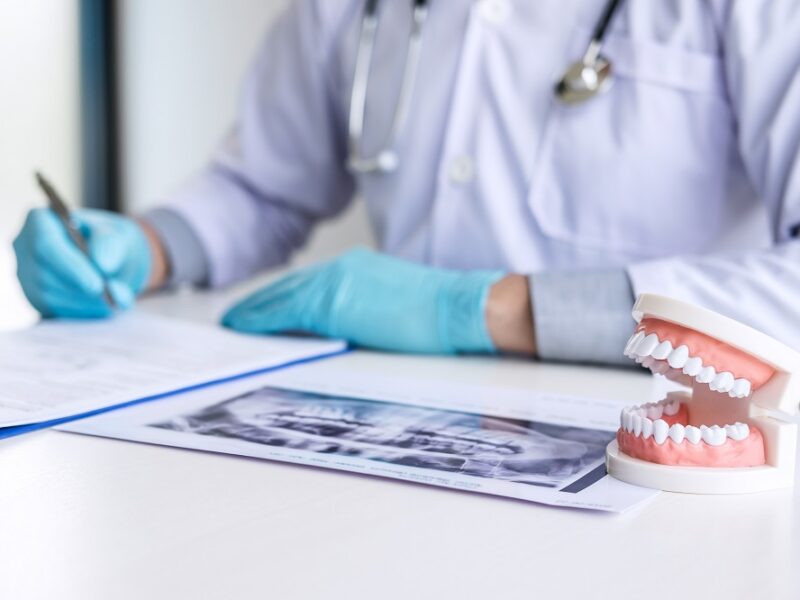
A healthy smile is not built on cleanings alone. It depends on structure, function, and timing. Teeth take an enormous amount of daily stress, from chewing and clenching to temperature changes and old fillings expanding and contracting over time. Once a tooth becomes weakened, preserving it often comes down to one question: can it still be protected well enough to stay in service for years?
That is where crowns earn their value.
In practice, crowns are rarely just cosmetic covers. They are protective restorations designed to reinforce compromised teeth, restore bite strength, and reduce the risk of bigger problems later. For many patients looking into Dental Crowns Southgate CA, the immediate concern is usually pain, a broken tooth, or an old restoration that has started to fail. The long-term story is broader. A crown can help preserve natural tooth structure, maintain alignment, support healthy chewing habits, and prevent a small defect from turning into an extraction.
That preventive role matters more than people often realize. Oral health tends to decline in steps, not all at once. A cracked cusp leads to uneven chewing. Uneven chewing overloads neighboring teeth. Food traps around a damaged margin create gum irritation. A root canal tooth, left unprotected, becomes brittle and breaks below the gumline. By the time the damage feels urgent, the treatment is often more complex and more expensive than it would have been six months earlier.
What a dental crown actually does
A crown is a custom-made covering that fits over a tooth to restore its shape, strength, and function. Unlike a small filling, which replaces a limited area, a crown protects the visible portion of the tooth above the gumline. Dentists recommend crowns when a tooth can no longer reliably handle pressure with a filling alone.
The best way to think about a crown is as structural support. If a tooth has lost too much enamel from decay, fracture, or repeated repairs, it becomes vulnerable under normal bite force. The crown redistributes that force and reduces the chance that the remaining tooth will crack further. In practical terms, that can mean the difference between keeping a tooth for many years and losing it to a fracture that extends into the root.
Patients sometimes assume a crown means the tooth is beyond saving. Often, the opposite is true. A crown is commonly used because the tooth is still worth saving. The nerve may still be healthy, the root may still be stable, and the surrounding bone may still be strong. The crown simply gives that tooth a better chance to function safely over the long term.
Why long-term oral health depends on preserving teeth
Dentistry works best when it preserves what nature already built. A natural tooth root helps stimulate the jawbone, maintain bite position, and guide efficient chewing. Once a tooth is removed, the treatment pathway changes. Replacement options such as bridges, implants, or partial dentures can work very well, but they come with additional planning, cost, healing time, and maintenance. Whenever a tooth can be restored predictably, that is usually the more conservative route.
Crowns support this goal in a few important ways. First, they help retain teeth that would otherwise keep fracturing. Second, they allow dentists to reinforce teeth after major treatment, especially root canals. Third, they help maintain the shape of the bite. When one damaged tooth is left untreated, patients unconsciously chew around it. Over time, that habit can strain the jaw joints, overload the opposite side, and wear down neighboring teeth in ways that are easy to miss until symptoms appear.
I have seen this pattern often in adults who put off treatment because the tooth “only hurts once in a while.” They adapt. They chew softer foods on one side. They avoid ice or anything crunchy. Months later, they come in with a cracked molar, a sore opposing tooth, and an inflamed gum pocket where food has been packing. The original problem may have been manageable with a crown. The delayed version usually requires more.
When a crown is the right choice
Not every damaged tooth needs full coverage. Conservative dentistry matters, and a good clinician will preserve as much tooth structure as possible. But there are clear situations where a crown offers the best long-term prognosis.
- A tooth has a large cavity or filling and too little healthy structure remains.
- A tooth is cracked, chipped deeply, or worn down from grinding.
- A root canal has been completed and the tooth needs reinforcement.
- A tooth supports a bridge or needs major reshaping for function.
- An older crown or large restoration has failed and the tooth is still restorable.
Those categories sound straightforward, but judgment matters. A front tooth with a small fracture may do well with bonding. A back molar with the same size fracture may need a crown because molars absorb far more force. A younger patient with thick enamel and a stable bite presents differently from an older adult with recession, wear, and several aging restorations. The decision is never just about the defect itself. It is about how that tooth will perform under real conditions over time.
Crowns and the hidden cost of delay
One of the most misunderstood parts of restorative dentistry is timing. Patients often think treatment is needed only when pain becomes severe. Teeth do not always cooperate with that logic. Some badly broken teeth cause almost no pain, while a small crack in the right place can produce sharp symptoms. Waiting for the “right amount” of discomfort is not a reliable strategy.
Delay can change the kind of care a tooth needs. A tooth that only needs a crown today may need a root canal and crown later if bacteria reach the pulp. If the crack extends below the gumline, the tooth may become non-restorable. At that point, the conversation shifts from preserving a tooth to replacing one.
That shift affects long-term oral health in several ways. Extraction changes bite dynamics. Adjacent teeth may drift. Opposing teeth may over-erupt into the space. Cleaning becomes harder in altered contours. Bone in the missing tooth area can resorb over time. None of that means replacement is a poor option, only that keeping a restorable tooth is often simpler biologically.
For families comparing treatment plans in Southgate, this is an important point. The value of Dental Crowns Southgate CA is not limited to what happens the day the crown is cemented. The real value is the cascade of problems that may never happen because the tooth was protected early enough.
Materials matter, but function matters more
Patients usually ask what crowns are made of, and that is a fair question. Common materials include porcelain, ceramic, zirconia, porcelain fused to metal, and metal alloys in selected cases. Each material has strengths and limitations. Some look more natural in the front of the mouth. Others are chosen for durability in heavy-bite areas. Some require more tooth reduction than others, depending on the case.
The mistake is choosing material by trend alone. The best crown material depends on where the tooth sits, how much room exists between the upper and lower teeth, whether the patient grinds, how visible the area is when smiling, and whether the bite is stable. A molar in a patient who clenches at night does not have the same demands as a lateral incisor with minimal functional load.
A well-made crown is a partnership between preparation design, material selection, bite adjustment, and lab quality. Even the strongest material can fail if the bite is off or if the margins are hard to clean. By contrast, a carefully planned crown in a realistic material often performs quietly for many years.
The connection between crowns and gum health
People sometimes separate “teeth problems” from “gum problems,” but the mouth does not work that way. The shape of a restoration affects how the gums respond. When a crown fits properly and has clean, accessible margins, it can support better hygiene and reduce plaque retention compared with a rough, broken, or leaking restoration.
This is especially relevant when an old filling has overhangs or recurrent decay along the gumline. Food and bacteria collect in those areas. The gum becomes puffy, tender, and prone to bleeding. Replacing that failing restoration with a well-contoured crown can make brushing and flossing more effective. Over time, healthier tissue around a restored tooth contributes to overall periodontal stability.
The opposite is also true. A poorly fitted crown can irritate the gums, trap plaque, and create chronic inflammation. That is why precision matters. Long-term oral health depends not only on whether a crown is placed, but how well it is designed and maintained.
What the process usually looks like
Most crown treatment follows a predictable course, though same-day technology can shorten it in some practices. The tooth is evaluated with an exam and imaging to confirm it can be restored. If decay or a failing filling is present, that is addressed during preparation. The tooth is reshaped so the final crown can fit securely and function properly. Impressions or digital scans are taken, and a temporary crown is usually placed while the final one is being fabricated. At the seating visit, the dentist checks fit, contact points, color when relevant, and bite.
What matters to long-term success is not just speed, but accuracy. A temporary crown that feels “close enough” may still indicate a bite issue that should be corrected before the final is bonded or cemented. A crown that looks good but leaves floss snapping too loosely between teeth may invite food impaction later. Small details make large differences over the life of a restoration.
Patients are often relieved to learn that the process is routine. The bigger adjustment is usually functional, not procedural. Once the crown is in place, the tooth should feel integrated into the bite, not high, unstable, or difficult to clean. If it does feel off, that should be addressed promptly rather than tolerated.
A crown after root canal treatment is often not optional
One of the most common situations involving crowns is after root canal therapy, especially on back teeth. A root canal removes infected or inflamed pulp from inside the tooth, but it does not restore the tooth’s outer strength. In fact, teeth that have had large cavities, deep restorations, or root canal access openings are usually more fragile afterward.
That fragility shows up under chewing pressure. Cusps can split. Walls of tooth structure can shear off. It is not unusual to see a patient complete a root canal, feel better, and delay the crown because the pain is gone. Then the tooth breaks before final restoration is completed.
For many premolars and molars, a crown is the protective phase that makes the root canal investment last. There are exceptions, particularly in lower front teeth that carry lighter forces, but the general principle holds. If the goal is long-term function, protection has to follow infection control.
Bite balance, wear, and the wider impact on the mouth
A single crown can influence more than one tooth. If a damaged molar is restored to its proper height and contour, chewing efficiency improves. The opposing tooth contacts where it should. Adjacent teeth regain stable contact and are less likely to trap food. The jaw has less incentive to shift during closure.
This becomes especially important in patients with grinding or uneven wear. I have seen people blame headaches or generalized tooth sensitivity on “getting older,” when part of the problem was a collapsed bite on one side from untreated broken teeth. Restoring those areas with carefully adjusted crowns did not cure every issue, but it often reduced muscle strain and stopped the cycle of progressive fracture.
Crowns are not a cure-all for bite disorders. If clenching is severe, a night guard may still be necessary. If the bite is already extensively worn, broader rehabilitation may be discussed. Still, crowns often play a central role in stabilizing the mouth so that wear slows rather than accelerates.
What patients in Southgate should ask before moving forward
Local access matters, but so does the treatment philosophy behind the recommendation. Patients considering Dental Crowns Southgate CA should feel comfortable asking why a crown is being advised instead of a filling, onlay, or extraction. They should also ask about the condition of the root, the gum support, the expected longevity of the restoration, and whether grinding habits or bite issues Dental Crowns Southgate CA could affect outcome.
A useful conversation usually covers practical questions as well. Will the tooth need buildup material because much of the original structure is missing? Is a root canal likely before or after crown work? What material makes sense for the location of the tooth? How will the final bite be checked? If finances are part of the concern, it is reasonable to ask what delay might change and whether interim protection is possible.
Clear answers tend to reflect careful planning. Dentistry is not just about placing a crown. It is about predicting how that tooth will behave five, ten, or fifteen years from now under the conditions of a real human mouth.
How to make a crown last
A crown is durable, but it is not indestructible. The surrounding tooth can still decay if plaque accumulates around the margins. Cement can fail. Porcelain can chip under abnormal force. The simplest habits still make the biggest difference.
- Brush thoroughly at the gumline twice a day and clean between teeth every day.
- Keep regular exams and hygiene visits so small margin issues are caught early.
- Wear a night guard if you clench or grind, especially after receiving crowns on back teeth.
- Avoid using teeth as tools for opening packages or biting very hard objects.
- Report any change in bite, pressure, or flossing feel before it becomes a larger problem.
Most crown failures are not dramatic. They start subtly. A little tenderness when biting. Food catching where it did not before. A rough edge. Occasional bleeding around one crowned tooth. Those signs are worth checking. Early correction may be as simple as an adjustment or replacing a small area of recurrent decay before the whole restoration is compromised.
Crowns are part of prevention, not separate from it
Preventive dentistry is often reduced to cleanings, fluoride, and home care. Those are essential, but prevention also includes protecting vulnerable teeth before they break beyond repair. Crowns fit squarely into that category when they are used thoughtfully. They can preserve chewing ability, support periodontal health, reduce the risk of catastrophic fractures, and help patients keep natural teeth longer.
That long-term perspective is the one that matters most. A crown does not make a tooth invincible, and it is not the right answer for every problem. But when a tooth is structurally compromised and still restorable, a crown often represents the most practical path between doing too little and doing too much.
For patients exploring Dental Crowns Southgate CA, the real benefit is not just a repaired tooth or a better-looking smile. It is the stability that follows when one weak point in the mouth is reinforced before it creates a chain of avoidable problems. Strong oral health is cumulative. Every tooth that can be preserved predictably contributes to it. A well-planned crown is one of the clearest examples of that principle at work.
Simple Dental South Gate
Address: 8617 California Ave, South Gate, CA 90280
Phone number: +13236896118
FAQ About Dental Crowns Southgate CA
How much do crowns cost per tooth?
In the United States, a single dental crown typically costs between $800 and $2,500 per tooth without insurance. The ultimate out-of-pocket price depends heavily on the crown material, the location of the tooth, and whether you have dental insurance coverage.
What is the downside of crowns on teeth?
The primary downside of a dental crown is that the procedure permanently removes natural tooth enamel to shape the tooth for the cap.
Why do dentists push for crowns?
Dentists recommend crowns because a large filling cannot provide enough strength when a tooth loses a major portion of its structure or faces heavy chewing pressure.