Emergency Dentist or ER: Where Should You Go?

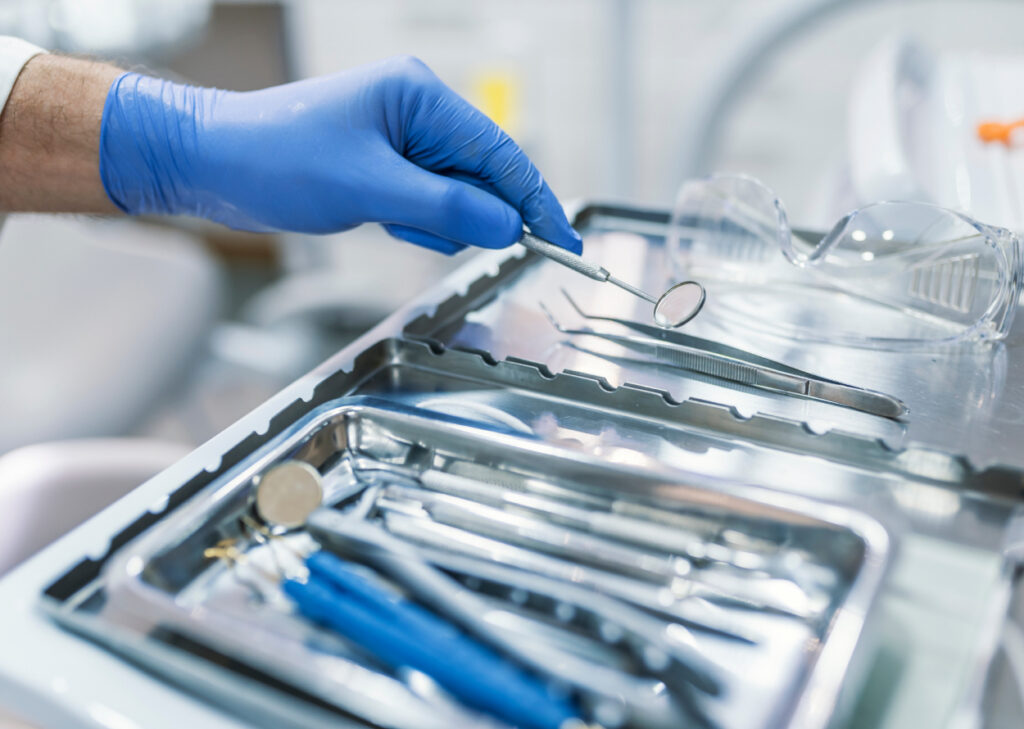
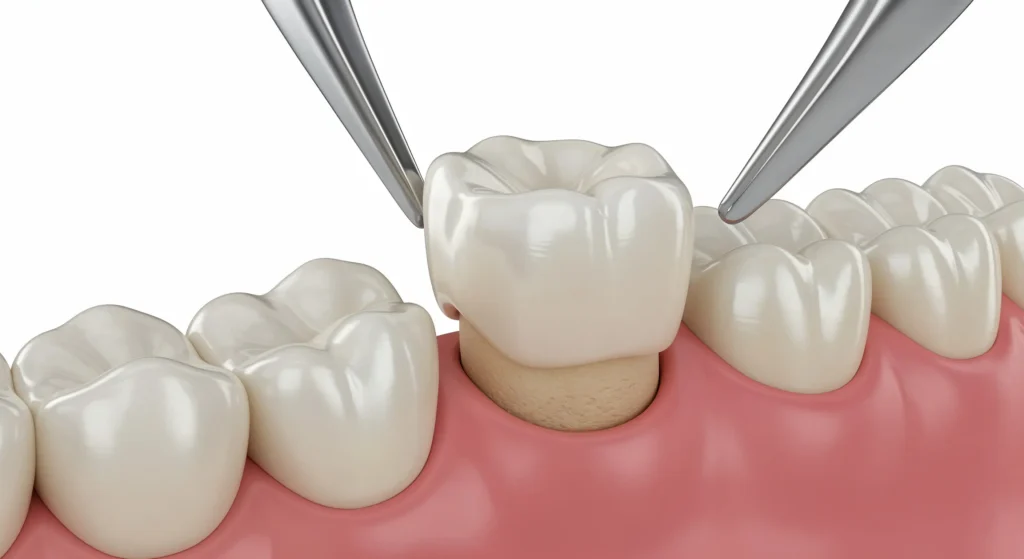
A sudden dental problem has a way of scrambling judgment. One minute you are eating dinner or getting ready for bed, the next you have a cracked tooth, a mouth full of blood, or a throbbing pain that makes it hard to think. In that moment, most people ask the same question: do I need an emergency dentist, or should I go straight to the emergency room?
The answer depends on what is happening, how severe it is, and whether the problem is truly dental or has started to affect your overall health and safety. That distinction matters. Going to the right place can save hours, reduce costs, and get you the kind of treatment that actually solves the problem instead of just buying time.
Many people are surprised to learn that the ER is often not equipped to provide definitive dental care. Emergency physicians can treat infection, manage pain, control bleeding, and rule out dangerous complications. What they usually cannot do is place a crown, repair a fractured tooth, perform a root canal, or reattach a restoration. An emergency dentist, by contrast, is set up for those exact problems. The challenge is knowing when a dental issue has crossed the line from urgent inconvenience to medical emergency.
The basic rule that helps in the moment
Here is the simplest way to think about it. If the problem is centered in the teeth, gums, jaw, or dental work, and you are breathing normally, swallowing normally, and not dealing with major trauma, call an emergency dentist first. If the situation involves uncontrolled bleeding, serious facial swelling, trouble breathing, trouble swallowing, a possible broken jaw, or a head injury along with dental trauma, go to the ER.
That rule is not perfect, but it works well in real life because it separates problems that need dental tools from problems that may threaten the airway, involve broken bones, or require broader medical support.
An emergency dentist is usually the best first stop for a lost filling, a broken crown, a severe toothache, a knocked out tooth, a cracked tooth, an abscess that has not caused facial swelling beyond the immediate area, or a painful wisdom tooth flare-up. The ER is the safer choice when dental symptoms are part of a bigger medical picture.
Why the ER and the dental office do different jobs
Hospitals are built to stabilize medical emergencies. They are excellent at sorting out whether someone is in danger, providing imaging, prescribing medication, giving IV fluids, and treating injuries that extend beyond the teeth. They can also identify severe infection and, if necessary, admit a patient for urgent treatment.
A dental office works from a different toolkit. Dentists have the instruments, materials, and imaging needed to diagnose and treat problems inside the mouth with precision. If a tooth is fractured below the surface, if a filling has failed, if a nerve is inflamed, or if an abscess needs drainage, an emergency dentist can often address the source the same day. That is a major difference. Pain relief is helpful, but source control is what ends the crisis.
This is where people sometimes lose time. They spend several hours in the ER with a raging toothache, leave with antibiotics or pain medication, and still wake up the next morning with the same broken tooth and the same need for dental treatment. In some cases, the ER visit is necessary. In many others, a prompt call to an emergency dentist gets them to the right chair faster.
When an emergency dentist is usually the right call
Most urgent dental problems are best handled in a dental setting, even if the pain feels severe. Intensity alone does not automatically make something an ER case. A bad toothache at 2 a.m. Can feel catastrophic, but if there is no swelling that threatens breathing, no high fever, and no major trauma, the right destination is often an emergency dentist when one opens, or an after-hours provider if available.
These are common situations where an emergency dentist is typically the best option:
- Severe toothache, especially with sensitivity to pressure, heat, or cold
- Broken, cracked, or chipped tooth without major facial trauma
- Knocked out adult tooth or partially displaced tooth
- Lost crown, bridge, veneer, or filling causing pain or exposed tooth structure
- Gum or localized dental abscess without trouble breathing or swallowing
A knocked out tooth deserves special attention because timing matters. If an adult tooth is completely out, handling it by the crown rather than the root, gently rinsing it if dirty, and getting to an emergency dentist quickly can make a real difference. Ideally, that happens within 30 to 60 minutes, though dentists will still try beyond that window depending on the case. This is one of those situations where calling a dental office immediately, even after hours, is worth it.
Patients often underestimate broken teeth as well. A small chip may wait a day or two, but a fracture that exposes dentin or pulp can become exquisitely painful and more complicated with every passing hour. I have seen people try to tough out a cracked molar over a weekend, only to show up on Monday with swelling, poor sleep, and an infection that could have been simpler to manage on Friday.
When the ER is the safer choice
There are dental emergencies, and then there are medical emergencies with dental features. The second group belongs in the ER.
If swelling is spreading into the face, under the jaw, or into the neck, that is not a wait-and-see situation. Some dental infections remain localized. Others spread through soft tissue spaces and begin to threaten the airway. The person may sound muffled, struggle to open the mouth fully, drool, feel weak or feverish, or have pain that seems out of proportion to what started as a tooth problem. That needs immediate medical attention.
The same goes for bleeding that will not stop after direct pressure, especially after an extraction, an injury, or oral surgery. Slow oozing can be common after dental work. Persistent brisk bleeding that soaks gauze repeatedly is different.
Jaw injuries also change the equation. A fall, sports collision, car accident, or assault can produce dental damage and a fracture at the same time. If the bite suddenly feels far off, the jaw seems unstable, the mouth cannot open or close properly, or the face is significantly swollen after trauma, an ER can evaluate the broader injury pattern. Head and neck trauma should never be reduced to just a tooth problem.
The ER is generally the better choice if you have any of the following:
- Trouble breathing or swallowing
- Rapidly increasing facial swelling, especially under the jaw or into the neck
- Uncontrolled bleeding after pressure has been applied
- Suspected jaw fracture, major facial trauma, or dental injury with head injury
- Fever, weakness, or confusion along with a dental infection
There is an important gray area here. Some people develop a dental infection on top of a serious medical condition, such as uncontrolled diabetes, active cancer treatment, or immune suppression after transplant. Those patients can deteriorate faster than expected. Even a dental source that might be manageable in an office for a healthy adult can become medically risky. Judgment matters, and when systemic illness is part of the picture, the threshold for ER care should be lower.
The money question, because it matters
People do not always want to say it out loud, but cost affects decision-making. It should not override safety, yet it is reasonable to understand the financial side. In many communities, an ER visit for dental pain is substantially more expensive than an urgent dental appointment, sometimes by hundreds or thousands of dollars once facility fees, physician charges, imaging, and medications are included. And that higher bill may still not include definitive treatment of the tooth itself.
By contrast, an emergency dentist may be able to examine the problem, take dental X-rays, provide local treatment, and lay out a plan in a single visit. If the issue is a broken filling, loosened crown, or tooth that needs immediate stabilization, the difference in efficiency is significant.
That said, trying to save money by avoiding the ER during a true medical emergency is a mistake. A deep-space infection, airway issue, or major trauma can become dangerous quickly. The less expensive option is not the better option if it delays life-saving care.
A few real-world scenarios that tend to confuse people
The most useful guidance often comes from examples, because symptoms do not arrive with labels.
A parent calls because a child fell off a scooter, chipped a front tooth, and is crying. The lip is swollen, but the child is alert, breathing comfortably, and the bleeding slows with pressure. This is usually an emergency dentist situation, though if there was loss of consciousness, vomiting, or concern about facial fracture, the ER takes priority. Pediatric dental trauma often looks dramatic because the mouth bleeds easily, but the bigger question is whether the injury is isolated to the teeth and soft tissue or part of a more serious accident.
An adult wakes at 3 a.m. With a pounding molar, cannot sleep, and notices the tooth hurts when biting. There is no visible swelling, no fever, and no trouble swallowing. That is miserable, but it is usually not an ER problem. An emergency dentist is the right fit because the likely treatments, whether that is opening the tooth, draining infection, prescribing medication, or planning extraction or root canal care, are dental.
A person notices swelling in the cheek by noon, and by evening the swelling has moved toward the lower eyelid or jawline. Speech sounds thick. The person feels warm and unwell. That is an ER problem. Once swelling spreads through facial spaces or starts affecting how a person swallows or talks, the situation can move outside routine dentistry.
Someone loses a crown before a wedding, a flight, or an important meeting and feels no pain. It feels urgent emotionally, but not medically. If the tooth underneath is intact and not sensitive, it may not even require a same-day visit, though an emergency dentist can often help quickly. This is a good reminder that urgency and emergency are not always the same thing.
What to do before you leave the house
In the first few minutes, practical first aid can limit damage and buy time. People often panic and miss simple steps that help.
If there is bleeding, apply firm pressure with clean gauze or cloth. If a tooth has been knocked out, hold it by the crown, rinse gently if contaminated, and keep it moist in milk or saliva if you cannot place it back in the socket. If there is swelling, use a cold compress on the outside of the face for short intervals. For pain, follow label directions for over-the-counter medication unless you have been told not to take it. Avoid placing aspirin directly on the gum. People still do this, and it can irritate or burn the tissue.
If you are unsure where to go, call a dental office anyway. Even when the office is closed, many practices have an on-call line. A trained dentist or staff member can often tell within a minute or two whether you need an emergency dentist, the ER, or simply the next available appointment. This is one of the most underused tools in urgent care. A phone call can prevent an unnecessary hospital visit or, just as importantly, push someone toward the ER when they are minimizing a dangerous infection.
The role of urgent care clinics
Urgent care sits in the middle and can be useful, but it is not a substitute for either place in many dental situations. If you have mild swelling, need pain management, or suspect an infection and cannot access an emergency dentist promptly, urgent care may prescribe medication and check for signs that the issue is becoming systemic. That can be reasonable as a bridge.
Still, urgent care clinics generally do not perform dental procedures either. Much like the ER, they can support and triage, but not usually fix the tooth. For a straightforward dental issue, they are often a second-best option rather than the first.
Children, older adults, and people with medical conditions
The decision can be trickier at the extremes of age. Young children may have trouble describing symptoms, and facial swelling can advance faster than many parents expect. Older adults may downplay pain, especially if they wear dentures or have had many years of dental problems. They are also more likely to take blood thinners, have heart disease, or live with diabetes, all of which can complicate what seems like a simple mouth issue.
A frail older adult with facial swelling, poor oral intake, and confusion belongs in medical care urgently, even if the original source is a tooth. A child with a minor chip and no other injury generally belongs with a dentist. The broader health context matters as much as the mouth itself.
Pregnancy is another special case. Dental infections should not be brushed aside during pregnancy, because pain, fever, and poor nutrition can create additional strain. Dentists routinely treat urgent problems in pregnant patients and know how to balance timing, imaging, and medication choices. But if a pregnant patient develops severe swelling, fever, or trouble swallowing, https://claytonmbiu491.timeforchangecounselling.com/what-an-emergency-dentist-can-do-for-a-split-tooth the ER becomes the safer destination.
What patients regret most
After years of seeing urgent dental cases play out, the regrets tend to repeat. People wait too long because the pain eases for a few hours and they assume the danger has passed. They go to the ER expecting the tooth to be fixed and feel frustrated when they are discharged with temporary measures. Or they ignore swelling until it becomes visible to other people, which is often much later than the infection actually started spreading.
The opposite mistake happens too. Some people head to the ER for a lost filling or routine toothache because they are scared and do not realize an emergency dentist even exists in their area. That usually means a long wait, a high bill, and a second appointment elsewhere to actually solve the problem.
The better approach is not to guess under stress. Know in advance which local dental offices offer same-day urgent visits, save their contact information, and ask your regular dentist what after-hours coverage looks like. It is one of those preparations that feels unnecessary until it is suddenly invaluable.
The decision in one sentence
If the problem is truly dental, call an emergency dentist. If it involves your airway, major trauma, uncontrolled bleeding, or signs that infection is affecting your whole body, go to the ER.
That distinction will not answer every edge case, but it will answer most of them. And in a genuine emergency, speed and setting matter. The right door can make the difference between temporary relief and the treatment that actually ends the problem.
Simple Dental South Gate
Address: 8617 California Ave, South Gate, CA 90280
Phone number: +13236896118
FAQ About Emergency Dentist Southgate CA
What can the ER do for a tooth?
The emergency room can provide temporary symptom relief for a bad tooth, such as prescribing pain medicine or antibiotics, but it cannot fix the actual dental problem.
What is the 3-3-3 rule for tooth infection?
The 3-3-3 rule for a toothache or infection typically means taking three 200 mg ibuprofen tablets (600 mg total) three times a day for no more than three days to control pain and swelling while waiting to see a dentist.
What do you do if you have a dental emergency but no dentist?
If you have a dental emergency and no regular dentist, you should search for an urgent care dental clinic, call local walk-in dental offices, or go to a hospital emergency room if you have severe bleeding, swelling, or trouble breathing.