Dental Crowns Southgate CA: How to Maintain a Natural-Looking Smile
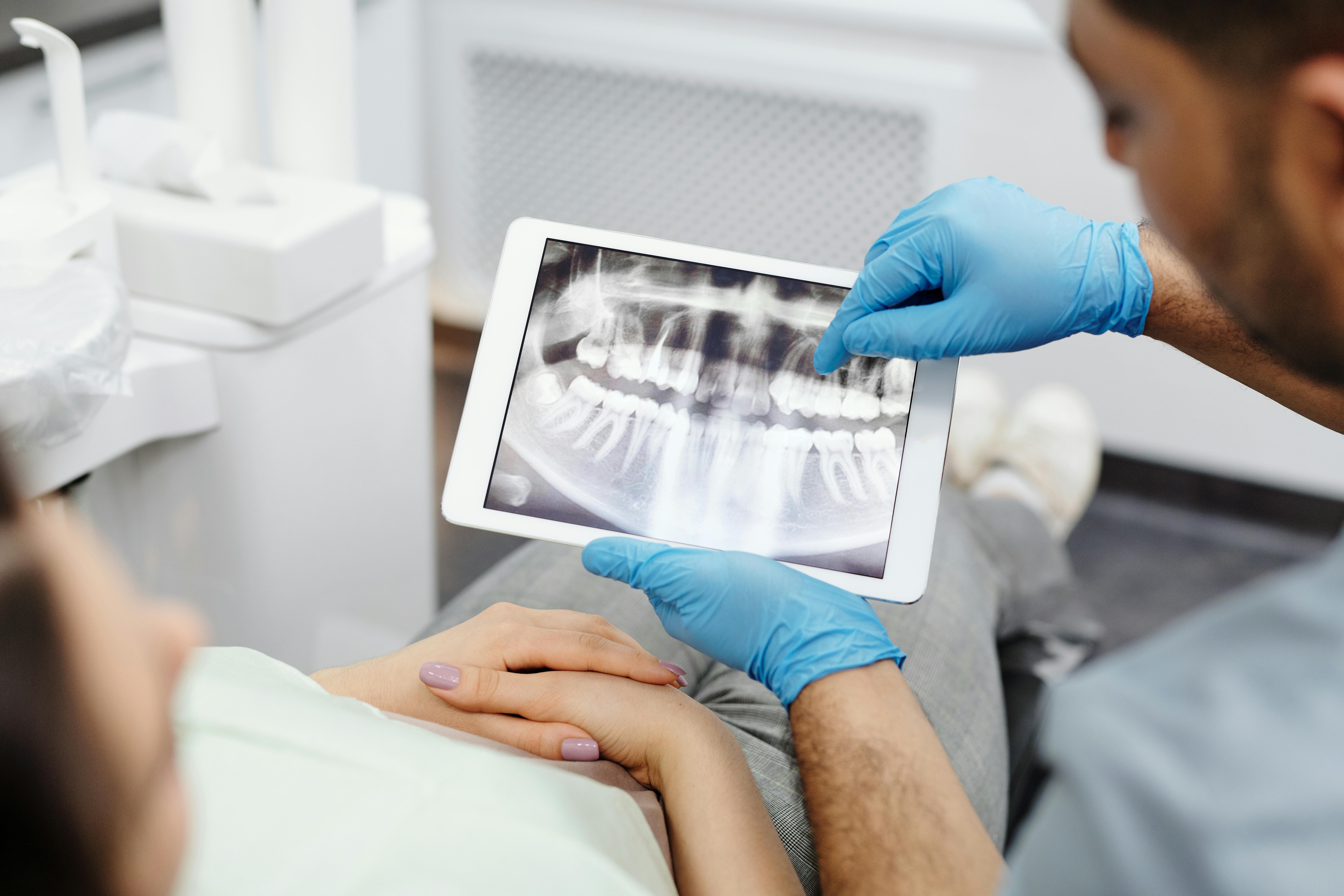
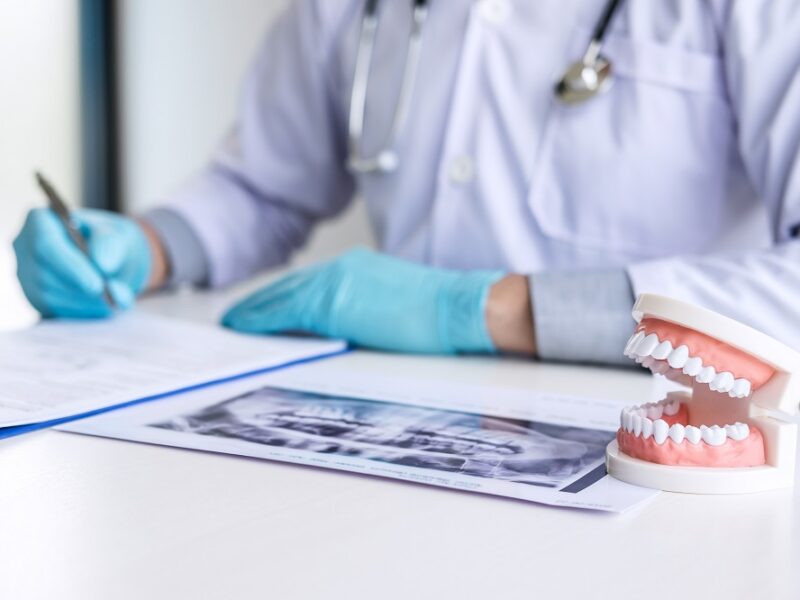

A well-made dental crown should do two jobs at once. It needs to protect a damaged tooth, and it should disappear into your smile so completely that nobody notices it was ever there. Patients usually focus on the first part Dental Crowns Southgate CA when they come in with a cracked molar, a large failing filling, or a tooth that has already had a root canal. A few weeks later, after the sensitivity calms down and the bite feels stable, the second part becomes much more important. They start asking whether the crown will stain, whether the gumline will change, and what they can do to keep it looking like a real tooth for years.
That is the right question to ask.
Crowns are durable, but they are not maintenance-free. Even the best ceramic work can start to look less natural if the surrounding teeth darken, if plaque builds up around the margins, or if the gum tissue becomes inflamed and pulls away. The crown itself may not decay, but the tooth underneath still can. The cement seal can weaken over time. A patient who grinds at night can put months of wear on a restoration in a surprisingly short period. Natural-looking results are rarely just about the material the dentist places. They are also about what happens every day after the appointment.
For people searching for Dental Crowns Southgate CA, it helps to understand that long-term appearance depends on both dental craftsmanship and home care. Shade selection, bite balance, polishing, gum health, and lifestyle habits all work together. If one piece is neglected, the restoration can still function, but it may stop blending in the way it should.
What makes a crown look natural in the first place
Natural teeth are not flat white blocks. They have translucency near the edges, tiny shifts in color from the gumline to the biting edge, and a surface texture that reflects light in a particular way. A crown that looks “off” usually fails in one of those areas. Sometimes it is too opaque. Sometimes it is too bright compared with neighboring teeth. Sometimes the shape is slightly bulky, so the lip catches it differently when a person talks or smiles.
The most lifelike crowns tend to be carefully matched not only for shade, but also for contour and light behavior. In the front of the mouth, this matters a great deal. A central incisor crown that is half a millimeter too wide can feel obvious to the patient even if no one else can explain why. In the back, appearance still matters, but strength and bite become the dominant concerns.
Material choice also plays a role. All-ceramic and porcelain restorations often provide the most natural appearance in visible areas because they mimic enamel better than older metal-based options. Zirconia can be an excellent choice for strength and esthetics, especially with newer formulations, but it still needs good design and finishing. A crown is never just a material. It is a combination of preparation, impression or scan accuracy, lab work, shade communication, and final adjustment.
Patients are sometimes surprised to hear that the crown itself can be perfect while the overall smile still looks uneven. That usually happens when the surrounding teeth are worn, stained, chipped, or misaligned. A crown can improve one tooth beautifully, but it cannot single-handedly create symmetry across the whole smile. Good dentists talk honestly about that before treatment starts.
The habits that keep crowns attractive over time
Most crown failures do not begin with a dramatic break. They start quietly. A little plaque sits at the gumline. Brushing is rushed. Flossing becomes inconsistent because the area no longer hurts. Night grinding leaves faint wear facets. Months pass. Then the patient notices that the gum around the crowned tooth looks red, or food keeps catching there, or the crown no longer seems to match as well as it did at placement.
What preserves a natural-looking crown is usually unglamorous, repetitive care. That may not sound exciting, but it works. Clean margins and healthy gums make almost any well-made restoration look better.
There are a few fundamentals worth taking seriously:
- Brush twice a day with a soft-bristled toothbrush and a non-abrasive fluoride toothpaste.
- Clean between the teeth daily with floss, floss picks, or another interdental aid recommended by your dentist.
- Wear a night guard if you clench or grind, especially if you have front crowns or multiple restorations.
- Keep regular dental cleanings and exams so small issues can be corrected before they become visible or painful.
- Limit habits that chip or stain teeth, such as chewing ice, tearing packages with teeth, or frequent dark beverages without rinsing afterward.
None of those steps are complicated, yet they make a noticeable difference. In practice, the patients whose crowns look best at the five to ten year mark are rarely the ones who did something fancy. They are the ones who stayed consistent.
Why gum health matters more than most people realize
If you want a crown to keep looking like a natural tooth, pay close attention to the gums around it. Inflamed tissue changes the frame around the restoration. Even a beautifully matched crown can look unnatural when the gumline is puffy, red, or uneven.
This is especially important for crowns on front teeth. A slight recession can expose the edge of the crown or the root surface of the neighboring tooth, changing the color balance in the area. In older porcelain-fused-to-metal crowns, recession sometimes revealed a grayish line near the margin. Modern materials reduce that risk, but gum recession can still create a visible mismatch.
Gum problems around crowns usually come from one of three issues. The first is plaque retention due to inadequate home care. The second is a crown contour that traps debris or makes flossing difficult. The third is bite stress, which can contribute to inflammation and recession over time. Sometimes more than one factor is involved.
I have seen patients blame the crown when the real problem was chronic irritation from aggressive brushing with a medium or hard-bristled brush. Scrubbing harder does not make a restoration cleaner. It often causes the opposite effect by wearing down the gumline and making the tooth-crown junction more exposed. A gentle brushing technique, held at the gumline rather than jammed into it, is usually far more effective.
If the gums bleed around a crown every time you floss, do not assume that is normal. It may simply mean the area needs better daily cleaning, but it can also signal a margin issue or early decay at the edge of the restoration. That kind of problem is much easier to manage when caught early.
Matching the crown to the rest of your smile
One of the more frustrating situations for patients is getting a perfectly acceptable crown, then realizing the rest of the smile has changed around it. Natural teeth respond to coffee, tea, red wine, tobacco, aging, and wear. Crowns do not whiten with bleaching products the way natural enamel does. That creates a practical issue: if you bleach your teeth after a crown is placed, the crown may suddenly look darker by comparison.
This is why cosmetic planning matters. If a person knows they want whiter teeth overall, whitening is often done before final shade selection for a visible crown. Once the natural teeth stabilize in color, the restoration can be matched more accurately. Skipping that step is one of the easiest ways to end up with a crown that technically fits well but still does not blend.
Texture and polish also matter. A crown with a glaze or polish that mimics neighboring enamel tends to disappear visually. A crown that is too smooth or too matte may catch light differently. Patients often describe that as the tooth looking “fake,” even if the color is close. That instinct is usually correct. Teeth are reflective in a very specific way.
A small story from routine practice illustrates this well. A patient had a front crown placed years earlier at another office. The shade was close enough, but she hated photographs and always covered her mouth when she laughed. The issue was not the basic color. It was the shape and surface. The crown was slightly boxy, and the neighboring tooth had more natural line angles and translucency. Replacing it with a better-contoured ceramic crown changed the way light hit the tooth. Friends told her she looked rested. Nobody mentioned dental work. That is what a natural result looks like.
The hidden threat of grinding and clenching
Many crowns fail cosmetically before they fail structurally. Fine chipping on the edge, flattening on the biting surface, and tiny craze lines can make a once-natural restoration look older than it is. Grinding is often behind that wear.
A lot of people do not know they clench. They wake with a tight jaw, occasional temple headaches, or a sense that their bite feels “tired,” but they do not connect those symptoms to nighttime pressure. Dentists usually spot the signs on exam: worn enamel, cracked fillings, scalloped tongue edges, or hypertrophied jaw muscles.
Crowns can handle normal chewing forces very well. Chronic grinding is different. Depending on the patient, nighttime bite forces can be high enough to chip porcelain, loosen cement, or stress the tooth underneath. Front teeth are especially vulnerable because they are not built to absorb heavy side-to-side pressure.
A custom night guard is not glamorous, but it is often one of the smartest investments after crown work, especially if you have more than one restoration. Store-bought guards can help in some cases, though they tend to be bulkier and less precise. A properly fitted appliance distributes force more evenly and reduces the chance of waking up to a chipped edge that suddenly draws the eye every time you smile.
Food, drink, and everyday wear
Crowns themselves are resistant to staining compared with natural enamel, but the surrounding teeth are not. That creates an odd kind of aging pattern. The crown stays close to its original color while neighboring teeth slowly darken. Over several years, the crown may start to stand out simply because it has aged differently.
Coffee and tea are common contributors. Red wine, tobacco, and deeply pigmented foods can add to the effect. This does not mean patients need to give them up entirely. It means being realistic. Rinsing with water after drinking something dark, using a straw when appropriate, and keeping up with regular cleanings can reduce surface staining on nearby teeth.
Hard foods and bad habits matter too. I have seen crowns chip from popcorn kernels, forks bitten absentmindedly during meals, and the classic office habit of holding pens between the teeth. The patient often says, “I barely touched it.” That is probably true in the moment that caused the final chip, but the restoration may have been absorbing repeated stress for months before it gave way.
If you want a crown to remain invisible in your smile, treat it like part of a system rather than an isolated piece of dental work. Every sip, bite, and habit affects that system.
Cleaning around crowns without damaging them
Patients sometimes become overly cautious around a new crown and stop flossing normally because they fear pulling it out. That concern usually comes from old stories or a previous bad experience with a temporary crown. A properly cemented permanent crown should not come off with routine flossing. If it does, there was likely an underlying issue with the crown or the tooth.
Cleaning technique matters more than force. Slide the floss gently through the contact, hug one side of the tooth, move slightly below the gumline, then repeat on the other side. Some dentists recommend pulling the floss through sideways rather than snapping it back upward in very tight spaces, especially right after placement. Either way, the goal is to remove plaque without traumatizing the tissue.
For patients with bridges, crowded contacts, or limited dexterity, alternatives may work better. Interdental brushes, water flossers, and floss threaders each have a place. The right choice depends on the shape of the restoration and the patient’s ability to use the tool consistently. The best cleaning aid is not always the most sophisticated one. It is the one the patient will actually use every day.
When a crown stops looking natural
A crown that once blended well can change in appearance for several reasons. Sometimes the restoration has not changed at all, but the adjacent teeth have darkened or shifted. Sometimes the gumline has receded. Sometimes the porcelain has chipped slightly, making the surface reflect light differently. And sometimes recurrent decay under the crown causes a shadow near the margin.
Watch for subtle changes. They often matter more than dramatic pain. A rough edge, food catching at one spot, a persistent bad taste near the tooth, or a gumline that looks darker than before can all signal trouble. Sensitivity to cold around a crowned tooth can also be meaningful, depending on whether the tooth still has a nerve.
The following signs are worth bringing to your Dental Crowns Southgate CA simpledentalca.com dentist promptly:
- The crown feels loose, high, rough, or suddenly different when you bite.
- The gum around it bleeds often, stays swollen, or starts to recede.
- You notice a chip, crack, dark line, or shadow at the edge of the crown.
- Food repeatedly gets trapped around the restoration.
- The crown no longer matches after whitening, staining, or changes in nearby teeth.
Not every one of these signs means the crown needs replacement. Sometimes a simple polish, bite adjustment, or hygiene improvement solves the problem. The point is to avoid waiting until a cosmetic issue turns into a structural one.
Repair versus replacement
One of the most common misunderstandings about crowns is the belief that any flaw means the entire restoration has to be redone. That is not always true. Small porcelain chips in non-critical areas can sometimes be smoothed or repaired, though the longevity of cosmetic bonding on a crown varies. A rough area may simply need polishing. If the bite is slightly off and the crown otherwise looks good, an adjustment may preserve it for years.
Replacement becomes more likely when there is recurrent decay, a poor margin fit, significant fracture, persistent bite problems, or a visible mismatch that cannot be corrected conservatively. Front teeth demand a particularly careful judgment call because even a technically serviceable crown may justify replacement if it consistently undermines the smile.
There is also the question of timing. A crown that still functions but has an aging appearance may be left alone if the patient is not bothered by it and the surrounding tooth structure is healthy. Dentists should resist replacing restorations too casually. Every time a crown is redone, more tooth structure may be removed. Preserving sound tooth tissue remains one of the most important principles in restorative dentistry.
Choosing a dentist with an eye for esthetics
Not all crown work is created equal. Some clinicians are especially strong with occlusion and function. Others have a sharper eye for esthetics, texture, and smile design. The best outcomes happen when both skill sets meet.
If the crown will be visible when you smile, communication matters. Patients should feel comfortable discussing shade concerns, old photographs of their smile, and what “natural” means to them. For one person, that means bright and polished. For another, it means slightly softened edges and a subtle translucency that resembles a neighboring tooth. Those are very different goals.
For patients looking into Dental Crowns Southgate CA, it is worth asking practical questions rather than chasing marketing language. How does the office handle shade matching? Do they take close-up photographs for the lab when needed? Will the bite be checked carefully before final cementation? What material is being recommended, and why? A dentist who can answer plainly, without rushing, is usually a better bet than one who promises perfection in a sales pitch.
Good crown work is technical, but it is also collaborative. The patient notices details nobody else can feel from inside their own mouth. A good dentist listens to that.
The long view: how long can a crown stay beautiful?
There is no single expiration date. Some crowns look excellent well beyond ten years. Others need attention sooner because of grinding, poor hygiene, shifting bite forces, gum recession, or the original quality of the work. Studies often report average crown longevity in broad ranges, but averages do not tell a patient much about their specific mouth.
What matters more is whether the conditions around the crown remain stable. A crown on a patient with healthy gums, low decay risk, balanced bite forces, and solid home care can stay both functional and attractive for a long time. A crown on a patient who skips recalls, drinks several sugary acidic beverages a day, and grinds heavily at night faces a much harder road.
That difference shows up in real life. Two patients can receive the same material from the same dentist and have very different outcomes five years later. Dentistry is partly about what happens in the chair, and largely about what happens between visits.
A natural-looking smile is rarely the result of one appointment. It is the result of maintenance, judgment, and consistency. A crown can restore shape, protect a weakened tooth, and blend beautifully into your smile, but keeping it that way takes partnership. The dentist provides fit, form, and function. The patient protects the result day after day.
When that partnership works, the crown stops being something you think about. It simply becomes part of your smile, quiet, comfortable, and convincingly your own.
Simple Dental South Gate
Address: 8617 California Ave, South Gate, CA 90280
Phone number: +13236896118
FAQ About Dental Crowns Southgate CA
How much do crowns cost per tooth?
In the United States, a single dental crown typically costs between $800 and $2,500 per tooth without insurance. The ultimate out-of-pocket price depends heavily on the crown material, the location of the tooth, and whether you have dental insurance coverage.
What is the downside of crowns on teeth?
The primary downside of a dental crown is that the procedure permanently removes natural tooth enamel to shape the tooth for the cap.
Why do dentists push for crowns?
Dentists recommend crowns because a large filling cannot provide enough strength when a tooth loses a major portion of its structure or faces heavy chewing pressure.